About
Caye Caulker
Belize’s Famous “Go Slow” Island
Located along the beautiful Belize Barrier Reef, Caye Caulker is a small Caribbean island known for its laid-back atmosphere, colorful streets, local charm, and unforgettable reef adventures. With no cars, sandy roads, and a relaxed island culture, Caye Caulker invites visitors to slow down and experience Belize at its own pace.
The Go Slow Lifestyle
Caye Caulker is famous for its “Go Slow” motto — more than just a phrase, it’s a way of life. Visitors quickly fall into the island’s relaxed rhythm where bicycles, golf carts, and walking replace busy traffic and schedules. Days are often spent snorkeling the reef, enjoying fresh seafood, watching sunsets, or simply relaxing in a hammock by the Caribbean Sea.


The Belize Barrier Reef
Just offshore from Caye Caulker lies the world-famous Belize Barrier Reef, the second-largest barrier reef system in the world and part of a UNESCO World Heritage Site. The reef is home to colorful coral gardens, sea turtles, nurse sharks, rays, tropical fish, and countless marine species that make snorkeling and diving in Belize unforgettable experiences.
Many of Belize’s most famous snorkeling destinations — including Hol Chan Marine Reserve and Shark Ray Alley — are easily accessible from Caye Caulker.
The Split
_2026-04-07_11-27-51.png)
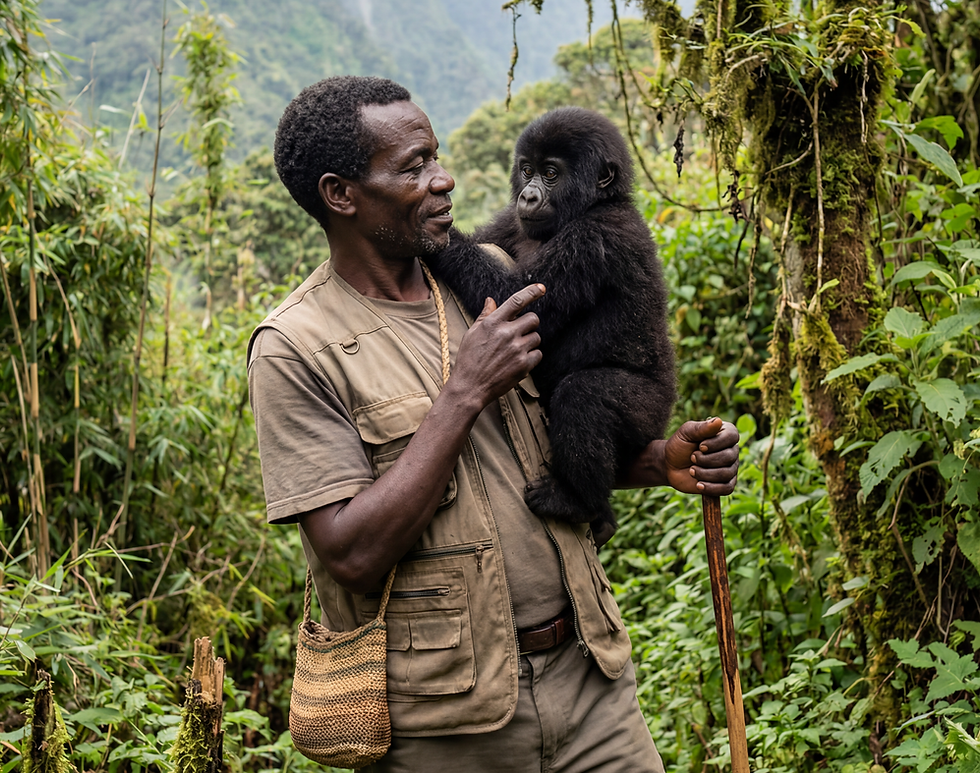
One of the island’s most iconic landmarks is The Split, a narrow channel dividing the southern and northern parts of Caye Caulker. Today it is one of the island’s most popular gathering spots for swimming, relaxing, sunset watching, and enjoying the Caribbean atmosphere.
While many believe Hurricane Hattie created The Split in 1961, locals explain that fishermen later widened and deepened the channel by hand to allow larger fishing boats easier access through the island.
_2026-04-07_09-19-13.png)
Island History And Fishing Culture
Before tourism became popular, Caye Caulker was primarily a fishing community built by local Belizean families whose roots on the island stretch back generations. Lobster fishing, boat building, and reef fishing played major roles in shaping island life and culture. Even today, visitors can still experience the island’s strong fishing traditions, local seafood, and authentic Belizean hospitality.
The island remains proudly local, with many family-owned businesses helping preserve the relaxed atmosphere and community feel that make Caye Caulker special.
Things To Do In Caye Caulker
Hol Chan & Shark Ray Alley
Snorkel with nurse sharks, sea turtles, and tropical marine life.
Night Snorkeling
Discover the reef after dark and experience nocturnal marine life.
Island Tubing
Float through calm Caribbean waters during a one-of-a-kind sunset experience.
Private Charters
Customize your Belize adventure with family and friends.
Relax At The Split
Swim, enjoy local food and drinks, and watch the sunset.
Explore The Island
Rent a bike or walk the sandy streets filled with colorful shops and local restaurants.


Best Time To Visit Caye Caulker
Caye Caulker offers warm tropical weather year-round, making it a great destination in every season. The dry season from December through May is especially popular for snorkeling, diving, and island adventures thanks to calmer seas and sunny weather.
Summer months bring warmer Caribbean waters, quieter travel periods, and incredible sunsets across the island.
Why We Love Calling It Home

For us at And a De Wata Tours, Caye Caulker is more than just a destination — it’s home. From early mornings on the reef to sunset boat rides through calm Caribbean waters, island life is deeply connected to the sea, local culture, and the people who make this community special.
We’re proud to share the beauty of Belize and the spirit of Caye Caulker with every guest who visits our island.